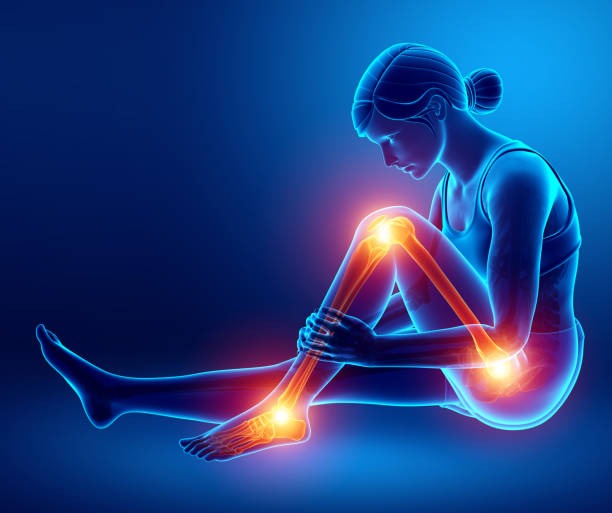
Joint issues can disrupt everyday activities, making even simple movements uncomfortable. Addressing these problems early with proper joint pain treatment can prevent long-term damage and improve overall mobility. Many people delay seeking care, which often leads to chronic conditions that are harder to manage.
In cases involving trauma, specialized care becomes even more important. After accidents, individuals often turn to auto accident pain clinics for targeted rehabilitation. These clinics are equipped to manage injury-related complications and guide patients through structured recovery programs.
Understanding Injury-Related Joint Pain
Joint pain resulting from injuries often involves damage to ligaments, tendons, or cartilage. Symptoms may not always appear immediately, which is why timely evaluation is crucial. Professional joint pain treatment helps identify underlying issues before they worsen.
Auto accident pain clinics play a vital role in detecting hidden injuries. Through detailed assessments, they ensure that even minor discomfort is addressed before it develops into a more serious condition.
Therapeutic Approaches to Healing
There are multiple approaches to managing joint discomfort, ranging from conservative therapies to advanced rehabilitation techniques. Physical therapy remains a cornerstone of joint pain treatment, focusing on restoring strength and flexibility.
Patients visiting auto accident pain clinics often receive personalized therapy plans tailored to their specific injuries. These plans may include stretching routines, strengthening exercises, and mobility training designed to accelerate recovery.
Additional therapies such as massage, electrical stimulation, and hydrotherapy are also used to support healing. These treatments enhance circulation, reduce stiffness, and promote tissue repair without invasive procedures.
Importance of Early Intervention
Delaying treatment can lead to worsening symptoms and prolonged recovery periods. Early joint pain treatment not only reduces discomfort but also prevents further damage to surrounding tissues.
Auto accident pain clinics emphasize early intervention, especially for patients who have experienced sudden trauma. Prompt care allows specialists to stabilize injuries and create effective recovery strategies that minimize complications.
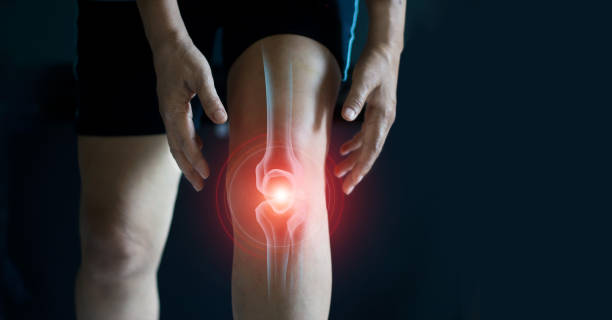
Rehabilitation and Long-Term Care
Recovery does not end after initial treatment. Rehabilitation is a continuous process that requires dedication and consistency. Structured programs provided through joint pain treatment focus on gradual improvement and long-term stability.
Patients who continue follow-up sessions at auto accident pain clinics often achieve better outcomes. These clinics monitor progress and adjust treatment plans as needed, ensuring that recovery remains on track.
Long-term care may also include strength maintenance exercises, posture correction, and periodic evaluations. These steps help prevent recurrence and support sustained joint health.
Lifestyle Factors That Influence Recovery
Daily habits significantly impact joint health. Regular physical activity, proper nutrition, and adequate rest all contribute to successful recovery. Maintaining an active lifestyle helps keep joints flexible and reduces stiffness.
When combined with professional joint pain treatment, these habits enhance overall results. Patients who follow guidance from auto accident pain clinics often notice improved mobility and reduced discomfort over time.
Avoiding repetitive strain and maintaining proper body mechanics are also essential. Small adjustments in daily routines can make a substantial difference in preventing future issues.
Conclusion
Managing joint discomfort requires a combination of timely care, effective therapies, and consistent lifestyle adjustments. With the right joint pain treatment, individuals can regain mobility and reduce long-term complications. Specialized facilities like auto accident pain clinics provide essential support for injury-related cases, offering structured rehabilitation and expert guidance. By prioritizing early intervention and ongoing care, it is possible to achieve lasting relief and improved quality of life.