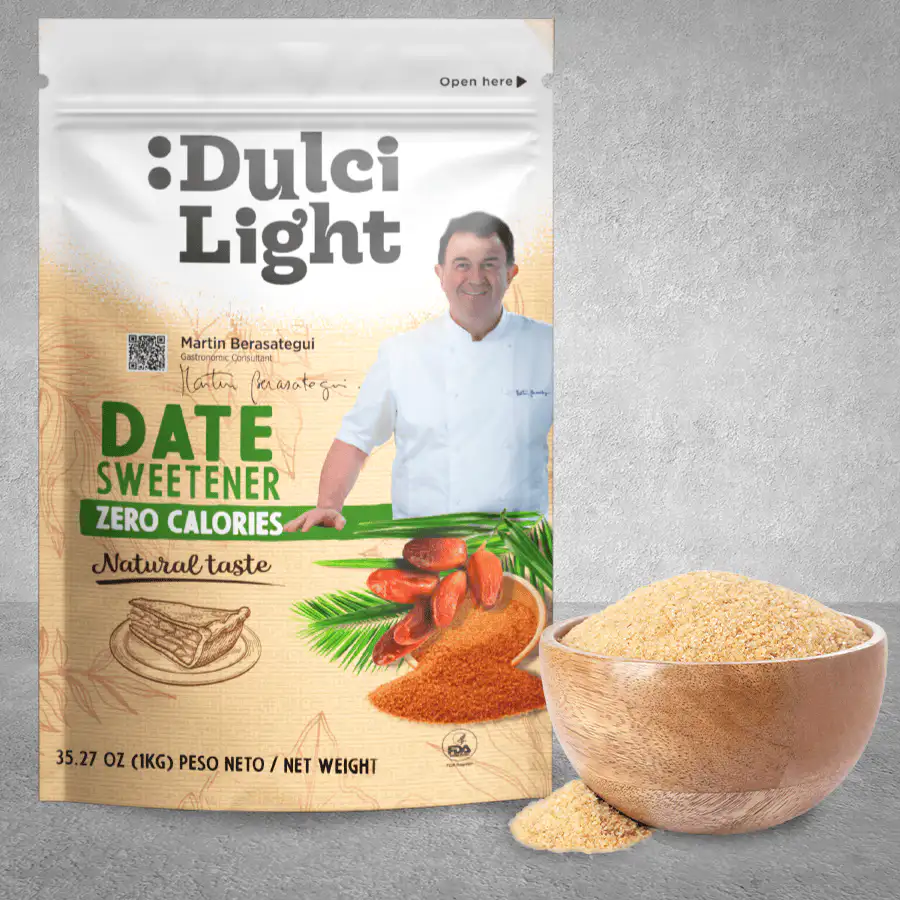
Sweetness is one of the most loved tastes in food. However, as people become more health conscious, the demand for sugar alternatives continues to grow. This is where a bulk sweetener plays a powerful role. Unlike high intensity sweeteners that are used in tiny amounts, bulk sweeteners provide both sweetness and volume, making them essential in many food products.
From baked goods to beverages, bulk sweeteners help maintain the structure, texture, and mouthfeel that sugar usually provides. Food manufacturers rely on them to create healthier products without sacrificing quality. Understanding how they work can help consumers and businesses make smarter choices when selecting sweetening ingredients.
What Is a Bulk Sweetener and Why It Matters
A bulk sweetener is a type of sugar substitute that replaces sugar not only in sweetness but also in physical volume. Sugar normally adds body and texture to foods, and removing it can change how products look and feel. Bulk sweeteners solve this problem by mimicking these properties.
Common bulk sweeteners include sugar alcohols and certain carbohydrate based ingredients that provide fewer calories than traditional sugar. They are widely used in products labeled sugar free or reduced sugar.
For example, many chewing gums, protein bars, and diabetic friendly desserts use bulk sweeteners to maintain the same structure as regular sugary products.
Some well known bulk sweeteners include:
-
Sorbitol
-
Xylitol
-
Maltitol
-
Erythritol
These ingredients allow manufacturers to produce sweets with lower calorie content while maintaining a satisfying taste.
Example: A sugar free chocolate bar often uses maltitol as a bulk sweetener so the chocolate keeps its smooth texture and sweetness.
Benefits Of Using Bulk Sweeteners In Food Products
Bulk sweeteners offer several advantages that make them valuable in the modern food industry. They help reduce sugar intake while still delivering the taste people enjoy.
One major benefit is calorie reduction. Many bulk sweeteners contain fewer calories compared to regular sugar. This makes them suitable for products designed for weight management or diabetic friendly diets.
Another advantage is dental health. Some bulk sweeteners such as xylitol are known to reduce the risk of tooth decay because oral bacteria cannot easily ferment them.
Manufacturers also appreciate their functional properties. Bulk sweeteners provide moisture retention, stability, and texture that are necessary in baking and confectionery products.
Here are a few key advantages:
-
Helps reduce overall sugar consumption in foods
Pro Tip: When baking with bulk sweeteners at home, combine them with natural flavors like vanilla or cinnamon to enhance sweetness without adding extra sugar.
How Bulk Sweetener Technology Supports Sugar Reduction
Bulk Sweetener Solutions In Modern Food Innovation
The food industry constantly looks for new ways to create healthier products without compromising taste. A bulk sweetener plays a central role in this innovation.
When sugar is removed from a recipe, several challenges appear. The product may lose moisture, texture, and structure. Bulk sweeteners help replace those missing qualities so the final product still feels satisfying.
For example, in baked goods like muffins or cookies, removing sugar can make them dry and dense. By using erythritol or sorbitol as a bulk sweetener, manufacturers can maintain softness and volume.
Another important use is in beverages. Some drinks combine bulk sweeteners with high intensity sweeteners such as stevia. The bulk sweetener provides body while the high intensity sweetener boosts sweetness.
This balanced approach helps companies develop low sugar beverages that taste close to traditional sugary drinks.
Example: A reduced sugar ice cream may use erythritol for texture while a small amount of stevia enhances sweetness.
Choosing The Right Bulk Sweetener For Different Applications
Not all bulk sweeteners perform the same way. Each ingredient has unique characteristics that make it suitable for certain foods.
For instance, erythritol has a cooling effect in the mouth and is commonly used in sugar free candies. Maltitol closely resembles sugar in taste and is often used in chocolate products. Sorbitol helps retain moisture, which is helpful in baked goods and chewing gum.
When selecting a bulk sweetener, food developers often consider sweetness level, digestive tolerance, stability under heat, and overall flavor profile.
A thoughtful combination of sweeteners can create products that satisfy both nutritional goals and consumer expectations.
Conclusion
Bulk sweeteners have become essential tools in the modern food industry. They allow manufacturers to reduce sugar while preserving the texture, structure, and sweetness that consumers expect from their favorite foods.
As health awareness continues to rise, the importance of a bulk sweetener will only grow. From sugar free desserts to reduced calorie beverages, these ingredients help bridge the gap between indulgence and better nutrition.
With ongoing innovation in food science, bulk sweeteners are shaping the future of healthier sweet products while keeping the joy of sweetness alive.