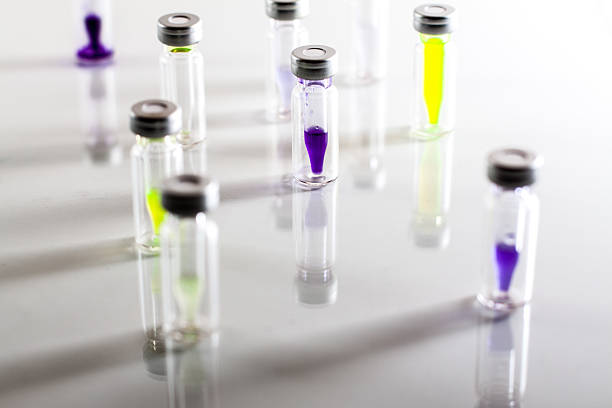
Scientific innovation depends on precise molecular tools that help researchers understand biological systems with greater accuracy. Among these tools, peptides have become essential for advancements in drug development, diagnostics, vaccine creation, and biochemical studies. As research demands become increasingly specialized, laboratories and biotechnology companies require tailored peptide solutions that match exact experimental needs.
This is where custom-designed peptides play a significant role. Researchers can create sequences with specific characteristics, enabling more reliable experiments and targeted outcomes. The growing adoption of peptide-based technologies has positioned custom peptide production as a cornerstone of modern life science research.
What Makes Peptides So Valuable in Research?
Peptides are short chains of amino acids that serve as building blocks for numerous biological functions. Their versatility allows scientists to study protein interactions, cellular responses, and disease mechanisms in controlled environments.
For example, a cancer research team may use a synthetic peptide to investigate how tumor cells communicate with surrounding tissues. Similarly, vaccine developers can design peptides that trigger desired immune responses without introducing whole pathogens.
Some major benefits include:
- High specificity, flexibility in design, and compatibility with various research applications.
Because of these advantages, peptides continue to gain attention across pharmaceutical and academic research sectors.
Custom Peptide Synthesis: A Powerful Tool for Precision Science
The process of custom peptide synthesis enables scientists to create peptides with precise amino acid sequences tailored to specific research goals. Unlike standard peptide products, custom-made peptides can be modified to include labels, chemical groups, or structural enhancements that improve experimental performance.
Researchers often require unique peptide structures that cannot be purchased from generic catalogs. Custom synthesis provides the freedom to develop molecules that align perfectly with project objectives.
For instance, an immunology laboratory studying autoimmune disorders may request a peptide containing a particular mutation found in patients. This level of customization allows scientists to replicate real-world biological conditions more effectively.
Key Applications of Custom Peptide Production
Custom peptides support a wide variety of scientific disciplines, including:
- Drug discovery and development
- Antibody production
- Vaccine research
- Biomarker identification
- Protein interaction studies
- Molecular diagnostics
These applications demonstrate how peptide customization contributes to both fundamental research and commercial innovation.
How Does the Synthesis Process Work?
Creating a custom peptide begins with sequence design. Researchers specify the amino acid arrangement, desired purity level, and any additional modifications.
The manufacturing process typically includes peptide assembly, purification, analytical testing, and quality verification. Advanced technologies help ensure that the final product meets strict scientific standards.
A typical workflow includes:
- Sequence selection
- Peptide synthesis
- Purification procedures
- Analytical characterization
- Final quality assessment
Each stage contributes to producing reliable peptides suitable for demanding research environments.
Why Researchers Choose Custom Peptide Synthesis Services
Benefits of Custom Peptide Synthesis for Advanced Studies
One of the greatest strengths of custom peptide synthesis is its ability to support highly specialized projects. Scientists are no longer limited by off-the-shelf materials and can instead develop peptides tailored to exact biological targets.
Research organizations often select custom synthesis services because they offer:
- Greater experimental flexibility
- Improved accuracy
- Enhanced reproducibility
- Support for innovative therapeutic development
For example, a pharmaceutical company developing a peptide-based treatment may require multiple sequence variants for testing. Custom synthesis enables rapid production of these candidates, accelerating the research timeline.
Pro Tip
When ordering custom peptides, always define purity requirements according to your application. High-purity peptides are often essential for therapeutic and diagnostic studies, while lower purity levels may be suitable for preliminary screening experiments. Choosing the correct specification can save both time and research costs.
The Future of Peptide Innovation
As biotechnology continues to evolve, the demand for customized molecular solutions is expected to increase significantly. Emerging fields such as personalized medicine, targeted therapeutics, and advanced vaccine development rely heavily on precision-designed peptides.
Artificial intelligence and computational biology are also improving peptide design strategies, helping researchers identify promising candidates faster than ever before. These technological advancements will likely make peptide-based research even more efficient and accessible in the years ahead.
Conclusion
Peptides have become indispensable tools in modern science, enabling breakthroughs across healthcare, biotechnology, and pharmaceutical research. The ability to design molecules with exceptional precision has elevated the importance of custom solutions in experimental workflows. Through custom peptide synthesis, researchers can create highly specialized peptides that support innovation, improve accuracy, and accelerate scientific discovery. As research challenges grow more complex, customized peptide technologies will remain a vital driver of progress in the life sciences.